Five container systems, matched to the real routine.
Meal prep works when food is easy to portion, store, carry, reheat, and clean up. The right container removes one recurring obstacle; it does not choose a calorie target or make a fixed compartment a nutrition prescription.
Published by Builderfox LLCManufacturer specifications reviewed; no hands-on testingNot yet medically reviewed
What "top" means here
Choose around transport and cleanup, not an idealized portion
The shortlist covers glass reheating, divided work lunches, measured freezer portions, a lightweight leak-resistant lunch container, and flexible reusable storage. Manufacturer documentation established the product facts; Amazon ratings, review text, prices, availability, and commission rates did not determine inclusion.
Buy lessIf your existing containers seal, fit your portions, and survive your actual reheating and cleaning routine, keep them.
Check the pathFridge or freezer, backpack or car, microwave or oven, and dishwasher or hand wash are more useful filters than the number of pieces in a set.
Real-life considerations before buying
Material and weight
Glass resists odors and can support oven reheating when allowed, but it is heavier and breakable. Plastic is lighter; silicone can compress, but neither behaves like rigid glass.
Seal and transport
A manufacturer leak-resistant claim is useful only when the lid is installed correctly and the container is not damaged. Keep liquids upright until you trust the routine.
Portion and flexibility
Compartments and fill lines can support consistency, but appetite and calorie needs vary. A molded section is not evidence of the right portion for you.
Check whether lids must be removed or unlatched before microwaving, whether only the base is oven safe, and whether sudden temperature changes are prohibited. Storage volume also matters: identical containers may nest; glass sets and rigid lids can consume more cabinet space than expected.
Five options by practical use case
As an Amazon Associate I earn from qualifying purchases. Builderfox LLC may receive a commission if you buy through a paid Amazon link on this page, at no additional cost to you. Product inclusion is not based on commission.
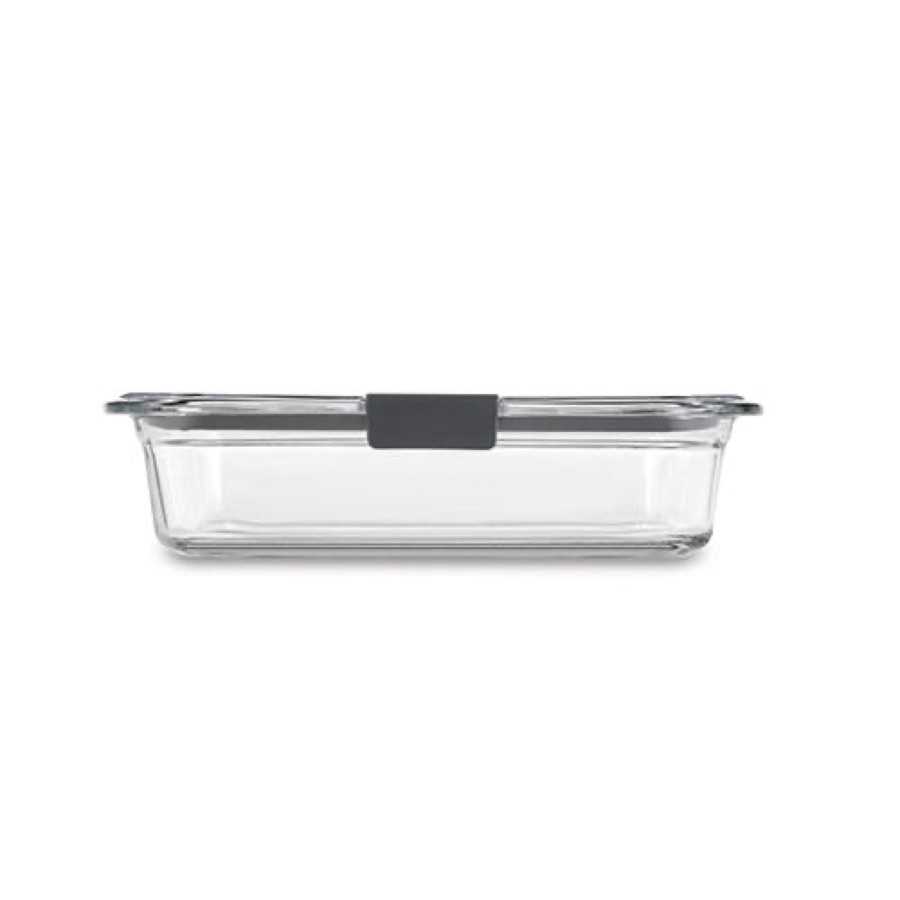
Rubbermaid lists airtight, leak-resistant locking lids, built-in microwave vents, stackable modular shapes, and glass bases that are oven safe up to 450°F. It fits someone who wants one base for storing, reheating, and serving.
Limit: glass is heavier and can chip or break. The lid has separate care rules, and the manufacturer says to unlatch it for microwave reheating.
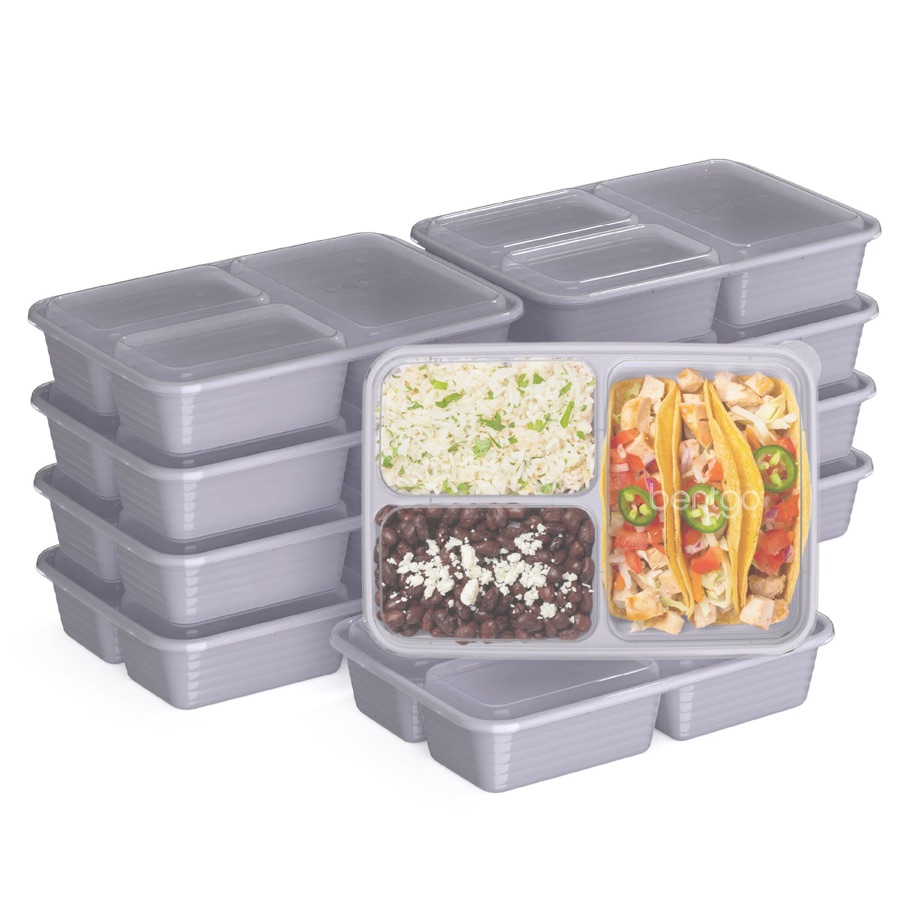
Bentgo lists ten lightweight 4-cup trays with three compartments, embossed volume markings, clear stackable lids, and freezer, microwave, and top-rack dishwasher use for the trays. It fits batch packing when foods should stay separated.
Limit: fixed compartments may not match your meal or appetite. The lids are not for microwave use, and the manufacturer recommends hand-washing them for best results.
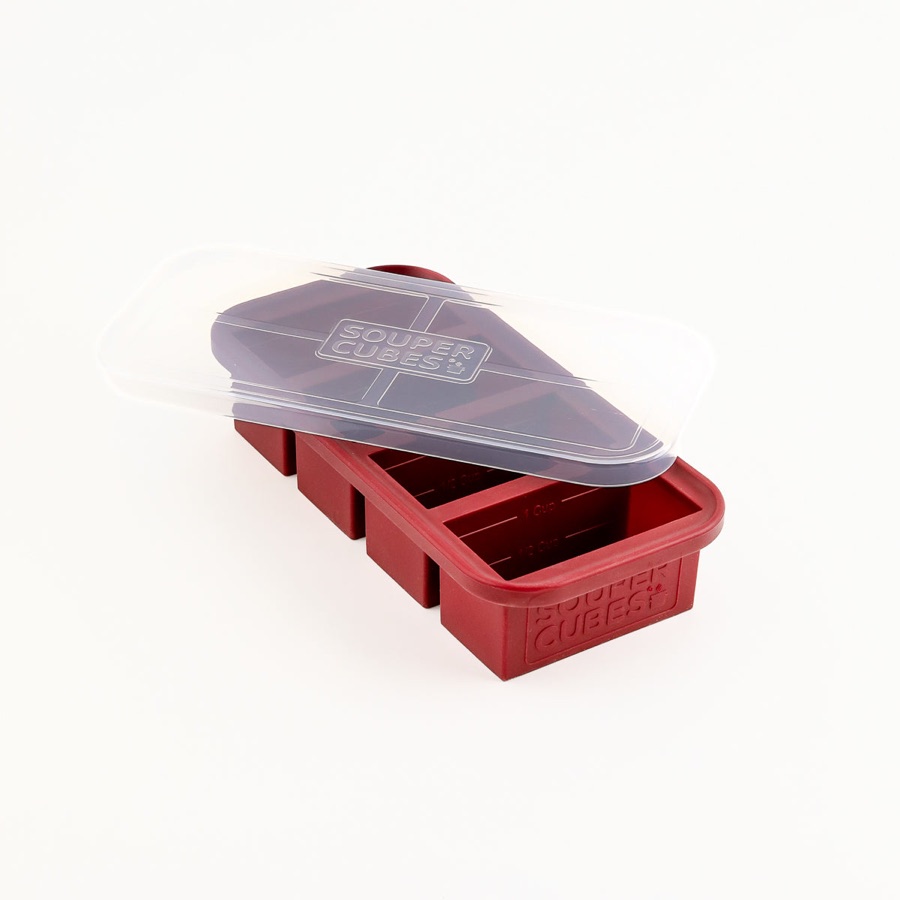
Souper Cubes lists four cavities with half-cup, 1-cup, 125 mL, and 250 mL fill lines, a lid, sturdy silicone walls, and an embedded steel frame. It is useful for freezing repeat portions of soup, sauce, rice, or other batch-cooked components.
Limit: this is a freezer mold, not a commuter lunch container. Frozen portions usually need to be removed and transferred for longer storage or transport.
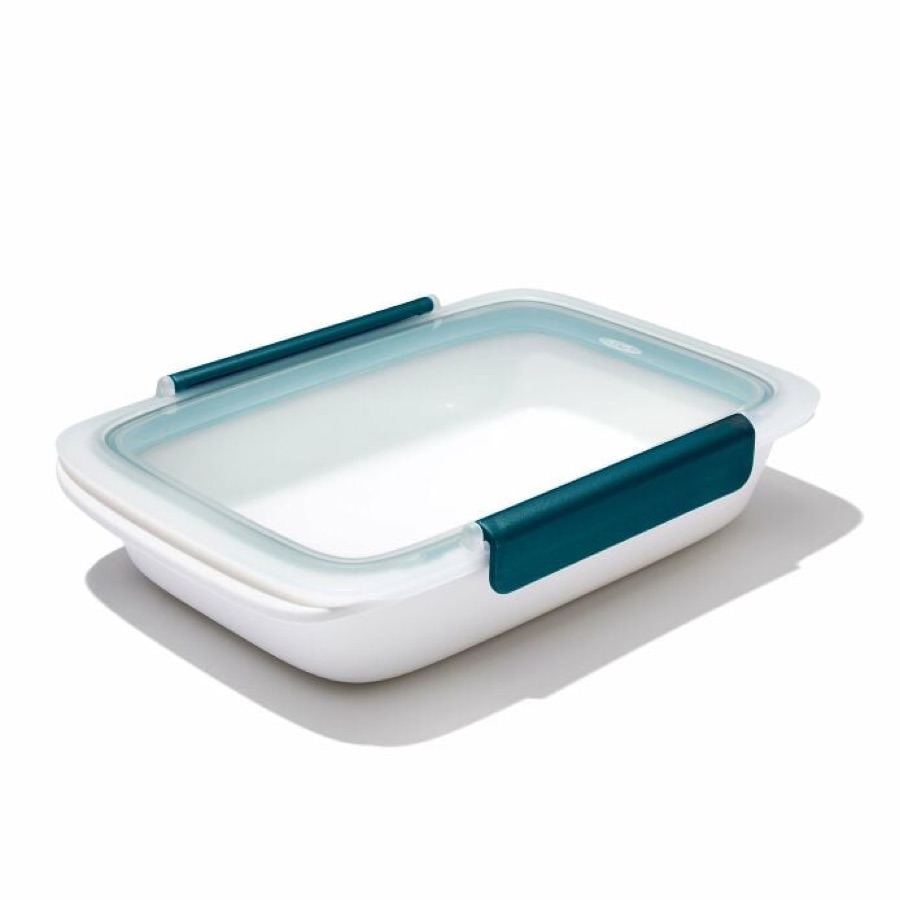
OXO lists a 5-cup BPA-free container with a watertight silicone-gasket lid, two locking clips, a viewing window, stay-cool handles, and dishwasher and microwave compatibility. It suits a large salad, pasta, or mixed lunch without the weight of glass.
Limit: one large compartment does not separate wet and crisp foods. The gasket must be seated evenly, and the lid has a specific sealing procedure.
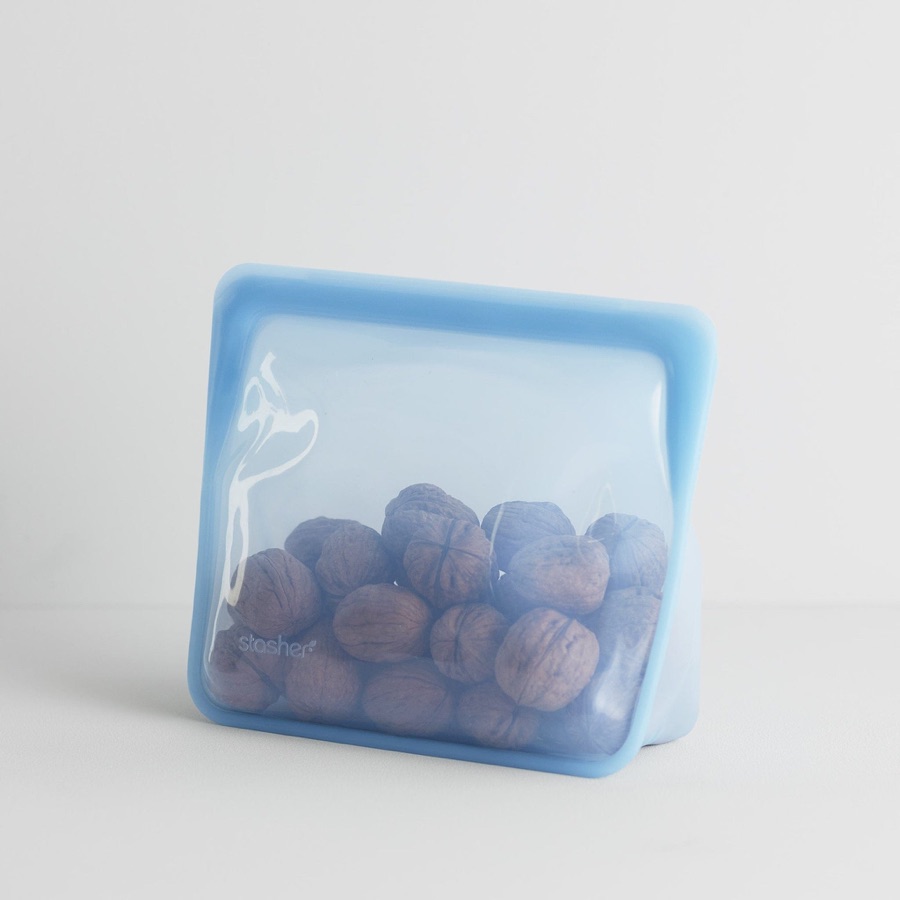
Stasher lists a 56 fl oz food-grade silicone bag with a standing base, Pinch-Loc seal, and dishwasher, microwave, freezer, and oven use up to 425°F. It is the flexible option for leftovers or components when a rigid box is inconvenient.
Limit: silicone does not protect food like a rigid container, can be awkward to dry around the seal, and should be kept away from sharp edges. Do not turn it inside out for cleaning.
Choose meals first, then buy the fewest shapes and sizes that fit them.
Label the food and prep date rather than relying on memory.
Cool, refrigerate, freeze, thaw, and reheat food using current food-safety guidance.
Follow the manufacturer's lid, microwave, oven, freezer, and dishwasher instructions.
Retire damaged glass, warped lids, torn silicone, or seals that no longer work.
Containers improve execution only when they fit the routine you already have. They do not need to be matching, photogenic, or purchased as a large set.
Selection and food-safety limits
This is an editorial use-case shortlist, not a durability test, food-safety certification, or claim that these are Amazon's five highest-rated products. Verify current care instructions and material limits with the manufacturer.
Container features do not determine safe storage time or temperature. Use current government food-safety guidance for cooling, refrigeration, freezing, thawing, and reheating; discard food when safety is uncertain.
Creation note: Builderfox LLC compared manufacturer-published features against the stated workflows on August 25, 2026. No product was purchased or hands-on tested for this guide. No Amazon rating, review text, price, or availability data was used. Read the affiliate disclosure and editorial policy.